
Pinecreek Blog • Spring Home Tips
Why Attic Ventilation Is Important (And What Happens If You Don’t Have It)
Most homeowners don’t think about attic ventilation—until it becomes a problem. From rising energy bills to roof damage and moisture issues, here’s why proper ventilation matters more than you think.
Why is proper attic ventilation important for your home?
Proper roof ventilation is often overlooked, yet it’s vital for your home. Correct attic airflow extends your roof’s lifespan, enhances indoor comfort, reduces repair costs, and lowers your energy bills.
How Attic Ventilation Works
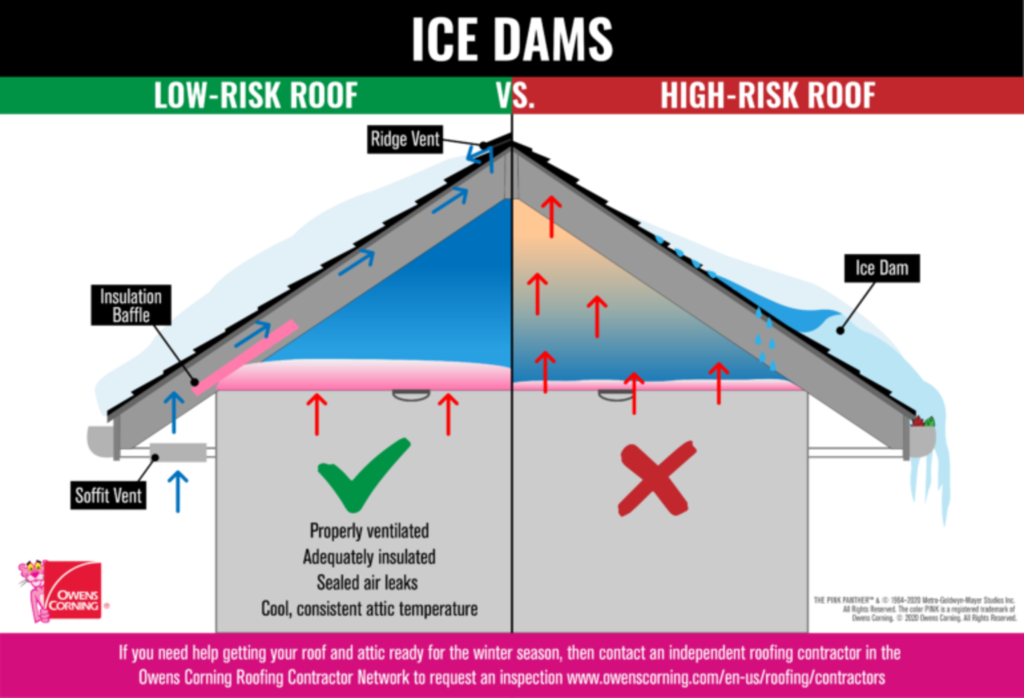
Effective attic ventilation uses soffit intake vents and ridge exhaust vents to create a continuous airflow. This system draws in cool outdoor air from below while pushing warm, humid air out through the peak (roof ridge).
Why Adequate Roof Ventilation is Important
By managing heat and moisture, attic ventilation prevents significant home damage. These issues fluctuate with the weather, meaning homes in seasonal climates are vulnerable to the unique problems caused by both summer heat and winter cold.
When it’s hot outside, the sun beating down on the roof can increase the temperature in the attic.
Excessive attic heat can warp roof sheathing and cause shingles to age prematurely. Without proper insulation, this heat also radiates into your living space, driving up cooling costs and making your home less comfortable.
In locales where the temperature drops below freezing during the winter, warm air escaping into the attic from the heated living space below rises to the underside of the roof deck.
When the roof deck warms, melting snow trickles down to the cold eaves and refreezes, eventually forming an ice dam. This icy barrier prevents further drainage, forcing runoff to back up under the shingles and potentially leak into the home.
Homeowner takeaway: When your attic has proper airflow, your home stays more comfortable, your energy bills stay lower, and your roof lasts longer—making ventilation one of the smartest protections for your home.
Spotting the Signs of Improper Ventilation
An inadequate attic ventilation system can cause a variety of problems that manifest themselves in different ways.
Here are some subtle and some not-so-subtle things to watch out for:
● An unexplained uptick in your household heating and cooling bills, which can happen if your attic insulation gets wet and loses its effectiveness
● More frequent HVAC repairs as heating and cooling equipment that’s under a heavier workload can become more prone to breakdowns or even premature failure
● A noticeable buildup of ice along your roof edge during the winter months
● A wavy or rippled appearance to your home’s roofline and shingles that’s caused by warping of moisture-damaged decking underneath.
● Rust and corrosion on metal materials in the attic, such as nail heads, electrical boxes, light fixtures, and HVAC system components
● Dampness, water stains or frost on the attic side of your roof sheathing, or any evidence of deterioration and decay of the roof’s structural supports
● An increase in discomforting allergy symptoms or respiratory illnesses among your family members, which may be related to the spread of fungi spores through your indoor air supply from mold growth in your attic.
If you decide to check for these signs on your roof or in your attic, be sure to keep safety in mind. Instead of climbing up on the roof, walk around the outside of your home and look up from ground level using a pair of binoculars. If you head up to the attic, make sure the space is well-lit, that you have a sturdy walking path, and are wearing appropriate protective gear.
QUICK SUMMARY
What this blog covers
Proper attic ventilation is essential for extending the lifespan of roofing materials, improving indoor comfort, and reducing monthly energy costs.
Ventilation prevents seasonal damage by mitigating extreme summer heat—which warps sheathing and ages shingles—and preventing winter ice dams caused by melting and refreezing snow.
● Homeowners should watch for “red flags” of poor airflow, including unexplained spikes in utility bills, rusted metal fixtures in the attic, roofline warping, or the presence of mold and frost.
PINECREEK TIP
Do not wait for the next storm to confirm the problem.
- If you have already seen signs of improper attic ventilation, it is worth getting your attic and exterior inspected now before the issue gets worse.
NEED HELP FIGURING IT OUT?
If your rooms directly below the attic are too hot that you can’t sleep.
Pinecreek helps homeowners identify improper attic ventilation and what needs to happen next, whether it is tied to soffit intake, ridge vent exhaust, insulation, and faulty or outdated roofing system.